What does it mean?
Smart homes are residential spaces equipped with a range of interconnected devices and systems that are designed to enhance convenience, comfort, security, and energy efficiency.
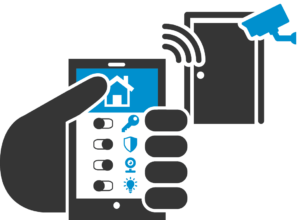
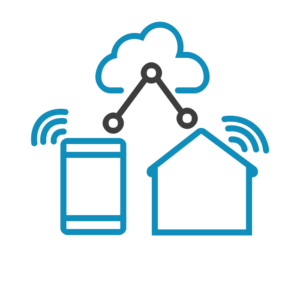
These devices and systems are connected to a central hub or a network, enabling them to communicate with each other and be controlled remotely through smartphones, tablets, or voice assistants.
Here are some of the key functions and benefits of smart homes:
How is it useful?
Smart homes offer a wide range of functions and benefits
By leveraging these capabilities, homeowners can create a more comfortable, secure, and sustainable living environment with convenience of centralized control and remote access.
Smart homes can include sensors that monitor various environmental factors such as air quality, humidity levels, and carbon monoxide levels. This information helps homeowners maintain a healthy and comfortable living environment. Smart irrigation systems can also adjust watering schedules based on weather forecasts, saving water and promoting sustainable practices.
Automation and Control
One of the primary functions of a smart home is automation. Various devices such as lighting, thermostats, appliances, security systems, and entertainment systems can be programmed to perform specific actions based on preset schedules, sensor inputs, or user commands. This automation eliminates the need for manual operation and allows for centralized control of all connected devices, providing convenience and saving time.
Enhanced Security
Smart home security systems provide comprehensive protection for your property and loved ones. Connected cameras, door/window sensors, motion detectors, and smart locks can be monitored and controlled remotely. Real-time alerts are sent to homeowners’ devices if any suspicious activity is detected. Some systems also offer video recording, allowing you to review footage in case of an incident. Smart security systems provide peace of mind and can act as a deterrent to potential intruders.
Integration and Compatibility
Smart home devices often support integration with popular platforms like Google Assistant, Amazon Alexa, or Apple HomeKit, enabling seamless control through voice commands. Moreover, many devices and systems from different manufacturers can work together within a smart home ecosystem. This interoperability allows you to mix and match devices and choose the ones that best suit your needs, without being restricted to a single brand or system.
Energy Efficiency
Smart homes offer significant energy-saving benefits. With smart thermostats, homeowners can regulate temperature settings based on occupancy or time of day, optimizing energy consumption and reducing utility bills. Smart lighting systems can automatically adjust brightness and turn off lights in unoccupied rooms. Additionally, smart appliances can operate during off-peak hours, leveraging lower electricity rates. Overall, these features contribute to a more eco-friendly and cost-effective living environment.
Convenience and Remote Access
Smart homes offer unparalleled convenience. With a smartphone or voice command, you can control various aspects of your home from anywhere. For example, you can remotely adjust the thermostat, turn on/off lights, lock/unlock doors, or even start appliances. This functionality is particularly beneficial when you are away from home and want to ensure that everything is secure and running smoothly.
Health and Wellness
Some smart home devices cater to health and wellness needs. For instance, smart beds can monitor sleep patterns and adjust mattress firmness accordingly. Smart appliances, such as refrigerators, can provide nutritional information and even suggest recipes based on the available ingredients. Additionally, connected fitness trackers and health monitors can seamlessly integrate with your smart home system to provide holistic wellness insights.